
Exploring the psychology behind the thrill of gambling in casinos
The Allure of Risk and Reward
The thrill of gambling is deeply rooted in the human psyche, primarily driven by the allure of risk and reward. When individuals step into a casino, they encounter an environment designed to stimulate excitement and anticipation. The prospect of winning significant sums of money can trigger a rush of adrenaline, making players more willing to take risks. This phenomenon is often referred to as the “gambling rush,” where the brain releases dopamine, reinforcing the desire to continue playing in hopes of that euphoric experience. Many players find themselves indulging in online casino games to chase that feeling even outside traditional venues.

This heightened emotional state often leads gamblers to chase losses, believing that a win is just around the corner. This behavior, fueled by the brain’s desire for gratification, can create a cycle of repeated play that keeps individuals engaged for extended periods. Understanding this psychological draw is crucial for both players and casino operators, as it shapes the overall gambling experience.
The Role of Environment and Design
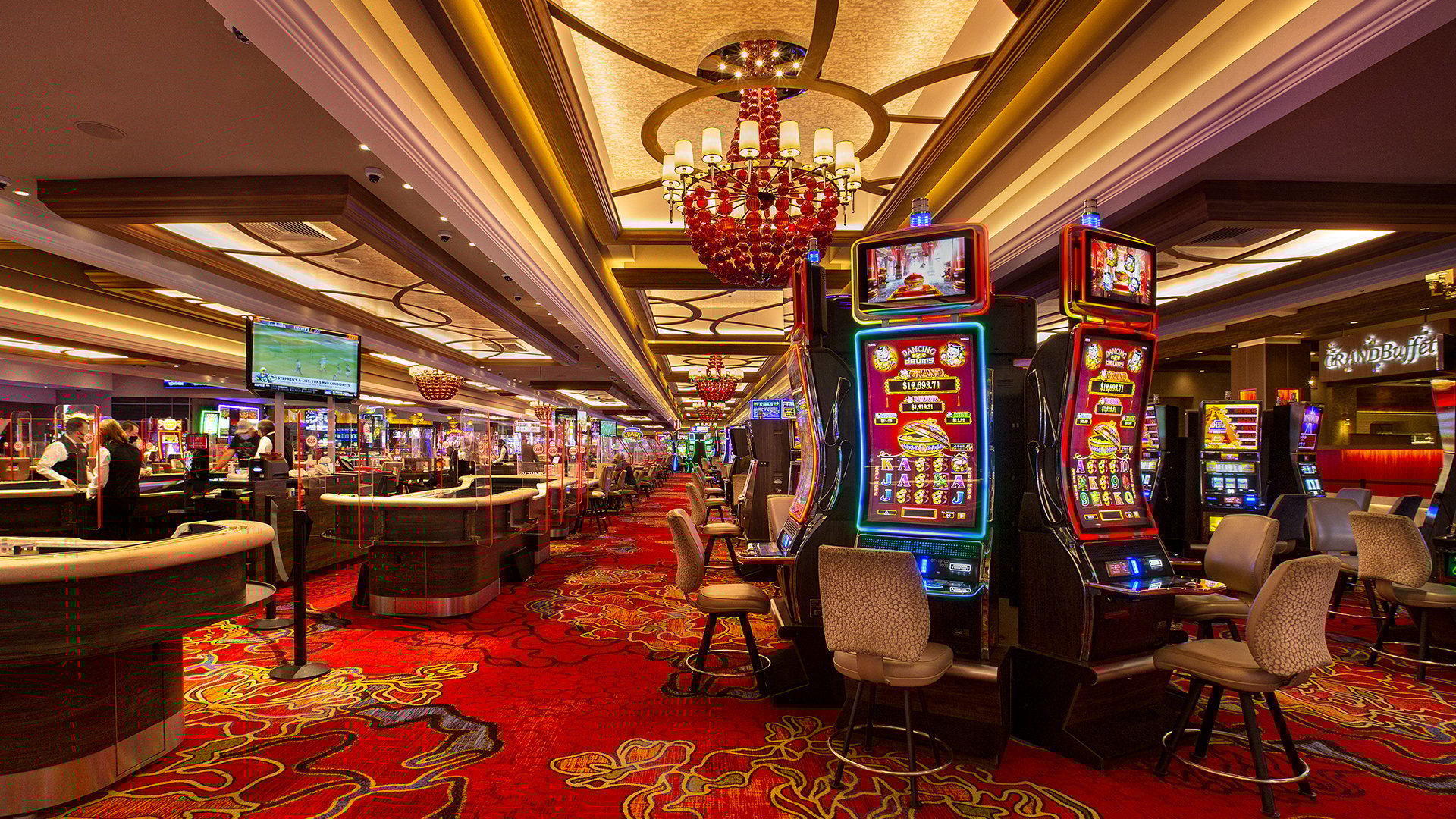
Casinos are meticulously designed to enhance the gambling experience, employing various psychological tactics that draw players in. The layout, lighting, and soundscapes contribute to an immersive environment that can disorient and excite. For example, bright lights and ringing slot machines create a sensory overload that keeps players engaged, often leading them to lose track of time.
Furthermore, the use of strategic placement of games and rewards systems can significantly influence player behavior. Players are often positioned near games that offer the potential for high payouts, creating a sense of urgency and excitement. This deliberate design fosters an environment where players feel compelled to engage and spend more time and money, illustrating the profound impact of psychology in casino settings.
The Impact of Social Interaction
Social interaction plays a pivotal role in the gambling experience, as many individuals are drawn to the communal aspects of casinos. The presence of other players can amplify excitement and create a sense of belonging. This social dynamic often leads to shared experiences, such as celebrating wins or commiserating over losses, which can enhance the overall thrill of gambling.
Additionally, the interaction with casino staff, such as dealers and waitstaff, contributes to a welcoming atmosphere that encourages continued play. The social reinforcement found in these interactions can reinforce gambling behaviors, making the experience more enjoyable and addictive. Understanding the psychological facets of social interaction in casinos can provide insight into why many individuals are drawn to these environments.
The Psychology of Winning and Losing
The psychological impact of winning and losing in gambling is profound and multifaceted. Wins, no matter how small, can create a strong sense of achievement, reinforcing the gambler’s behavior and encouraging further play. This phenomenon is often amplified by the intermittent reinforcement schedule typical in gambling, where players are rewarded unpredictably, heightening the sense of excitement and anticipation.
Conversely, losing can trigger feelings of disappointment and frustration. However, many gamblers employ rationalizations to justify their losses, believing that a win is inevitable. This cognitive dissonance can lead to a dangerous cycle of chasing losses, wherein players continue to gamble in the hope of recouping their funds. Understanding these psychological mechanisms is essential for recognizing the delicate balance between enjoyment and potential addiction.
Promoting Responsible Gambling Practices
In light of the psychological complexities surrounding gambling, it is crucial for players to be aware of the potential for addiction and to engage in responsible gambling practices. Education about the psychological effects of gambling can empower individuals to make informed decisions about their participation. By fostering awareness of the signs of problematic gambling behavior, individuals can better navigate their gambling experiences.
Furthermore, platforms dedicated to promoting safe gambling practices, like Bot Verification, play an essential role in creating a secure online environment. By ensuring that users engage responsibly, these sites contribute to maintaining the integrity of the gambling landscape. The balance between enjoyment and caution is key to fostering a healthy approach to gambling in casinos and online settings.