
Understanding the psychological triggers that drive gambling behavior
The allure of risk and reward
The psychology behind gambling is deeply rooted in the thrill of risk and reward. Gamblers are often drawn to the possibility of winning big, which can create a euphoric rush that keeps them coming back for more. This excitement is amplified by the unpredictability of outcomes, as the human brain is wired to respond to potential rewards more strongly than to losses. Consequently, the allure of hitting the jackpot can overshadow the risks involved, leading individuals to make impulsive decisions that prioritize short-term gains over long-term consequences. In this context, trying out avia masters free play can provide an example of how engaging with games can enhance this thrill.
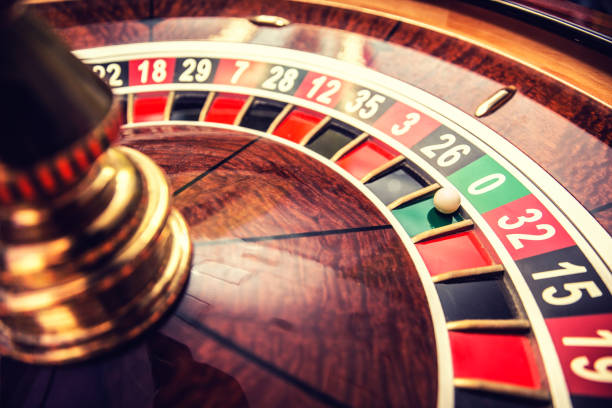
Moreover, the feelings of excitement associated with gambling can trigger the release of dopamine, a neurotransmitter linked to pleasure and reinforcement. Each time a player wins, even a small amount, it enhances the desire to continue playing. This cycle of reward and reinforcement creates a compelling psychological environment that can be difficult to escape, particularly for vulnerable individuals who may already be predisposed to addictive behaviors. The concept of avia masters integrates these elements beautifully in a gaming experience.
The influence of social factors
Social interactions can significantly impact gambling behavior. Many individuals gamble in groups, whether at casinos or online platforms, which fosters a sense of community and shared experience. This social aspect can reinforce gambling as a social activity, encouraging individuals to participate more frequently due to peer influence. Friends or family who gamble can create an environment where individuals feel pressured or motivated to join in, even if they may not have intended to gamble initially.
Additionally, the rise of online gaming and social media has made gambling more accessible and socially integrated. Players can share their experiences, wins, and losses with others, creating a culture that normalizes gambling. This visibility can further diminish the perceived risks associated with gambling, making it seem like a standard form of entertainment rather than a potentially harmful behavior.
Psychological mechanisms at play
Several psychological mechanisms underpin gambling behavior, including cognitive biases and emotional responses. One common cognitive bias is the illusion of control, where gamblers believe they can influence the outcome of a game, despite the inherent randomness of most gambling activities. This belief can lead individuals to take greater risks, believing that their skills or strategies can lead to favorable outcomes.
Another key mechanism is the concept of variable reinforcement, which refers to the unpredictable nature of winning. The occasional win amid a series of losses can create a powerful incentive to continue gambling, as players are conditioned to chase the next win. This cycle can lead to increased stakes and more frequent gambling, ultimately contributing to problematic behavior.
The role of emotional states
Emotional states significantly impact gambling behavior, as individuals often gamble to escape negative feelings or enhance positive ones. Stress, anxiety, and boredom can lead people to seek relief through gambling, creating a cycle where gambling becomes a coping mechanism. This emotional connection can make it challenging for individuals to recognize when their gambling habits become harmful.
Conversely, positive emotions can also drive gambling behavior. Celebrating victories or social interactions can encourage players to engage in more gambling, reinforcing the association between positive feelings and gambling. This duality highlights the complexity of the relationship between emotions and gambling, emphasizing the need for awareness and self-regulation among players.

Discovering Avia Masters and its dynamics
Avia Masters is an engaging crash game that illustrates the psychological triggers driving gambling behavior. Developed by BGAMING, this game combines elements of strategy with quick reflexes, creating an exciting environment where players make split-second decisions. The game’s design capitalizes on the thrill of risk and reward, making it particularly appealing to both new and experienced gamers.
With high return-to-player rates and the option to try a demo version for free, Avia Masters allows users to familiarize themselves with the game’s dynamics before committing real money. This accessibility makes it an attractive option in the iGaming industry, further emphasizing the psychological triggers that encourage players to engage in gambling behavior, both for fun and potential rewards.