

Because Allowance for Doubtful Accounts is a balance sheet account, its ending balance will carry forward to the next accounting year. Because Bad Debts Expense is an income statement account, its adjusting entries examples balance will not carry forward to the next year. Bad Debts Expense will start the next accounting year with a zero balance.
What Is the Difference Between Accrual Accounting and Cash Accounting?
- First, you need to know where adjusting entries occur, and that is in journal entries that record the cash flow of a company.
- The balance in the asset Supplies at the end of the accounting year will carry over to the next accounting year.
- The wages that we pay them must be matched to the revenue they are creating.
- Posting adjusting entries is no different than posting the regular daily journal entries.
- Different business transactions require different types of adjusting entries to ensure your financial statements accurately reflect your company’s activities.
At left below is a “balance sheet approach” for Prepaid Insurance. The expenditure was initially recorded into a prepaid account on the balance sheet. The alternative approach is the “income statement approach,” wherein the Expense account is debited at the time of purchase. The appropriate end-of-period adjusting entry establishes the Prepaid Expense account with a debit for the amount relating to future periods.

Double-Entry Bookkeeping: Record & Balance

That statement should make you think of unearned revenue because it has not been earned. In December, you record it as prepaid rent expense, debited from an expense account. Then, come January, you want to record your rent expense for the month.
Financial automation
- If the rent is paid in advance for a whole year but recognized on a monthly basis, adjusting entries will be made every month to recognize the portion of prepayment assets consumed in that month.
- Adjusting entries align financial activity with the right accounting period.
- We at Deskera offer an intuitive, easy-to-use accounting software you can access from any device with an internet connection.
- After further review, it is learned that $3,000 of work has been performed (and therefore has been earned) as of December 31 but won’t be billed until January 10.
- These entries are made at the end of an accounting period to adjust the accounts to their correct balances.
For businesses using spreadsheets like Excel for bookkeeping, the process remains manual, but formulas can assist in maintaining accuracy and recalculating balances after each entry. Reversing entries are optional and not all types of adjusting entries may be reversed. Bookkeepers should consult financial policies and use their judgement to decide if and when to record reversing entries. Each adjustment has a dual effect, reflecting the accounting principle of double-entry bookkeeping. This principle dictates that revenue should be recognized when it is earned, regardless of when the payment is received.
Journal Entry
Supplies that are on hand (unused) at the balance sheet date are reported in the current asset account Supplies or Supplies on Hand. They are critical not only for meeting regulations but also for showing a company’s true financial status to those invested in its success. Adjusting entries are essential to ensuring that financial statements reflect accurate and up-to-date information.
And each time you pay depreciation, it shows up as an expense on your income statement. This module explores the https://entitulares.cl/2020/03/18/abl-co-tax-accounting/ six-step accounting cycle—the process of collecting, recording, adjusting, and reporting financial data to produce accurate financial statements. You will also examine how accounting principles like periodicity, revenue recognition, and matching ensure consistency and accuracy in financial reporting. Walker Corp. provides the following information relating to adjusting entries required at the end of its fiscal year, December 31.a.
The offsetting credit reduces the expense to an amount equal to the amount consumed during the period. Note that Insurance Expense and Prepaid Insurance accounts have identical balances at December 31 under either approach. An adjusting entry is a journal entry made at the end of an accounting period to ensure transactions are recorded in the period they occur, not when cash changes hands. These entries align your books with accrual accounting principles, matching revenues with related expenses and ensuring assets and liabilities are properly valued. Adjusting entries are a crucial aspect of financial management, ensuring accuracy, transparency, and compliance in financial reporting.
Then when the client sends payment in December, it’s time to make the adjusting entry. If adjusting entries are not prepared, some income, expense, asset, and liability accounts may not reflect their true values when reported in the financial statements. In the case of unearned revenue, a liability account is credited when the cash is received.
Overcomplicating Journal Entries
Adjustment entries can also Accounting Periods and Methods impact a business’s profitability by affecting the amount of revenue and expenses that are recorded in a particular accounting period. For example, if an adjustment entry is made to increase revenue, this will increase the business’s profitability for that period. Conversely, if an adjustment entry is made to increase expenses, this will decrease the business’s profitability for that period.
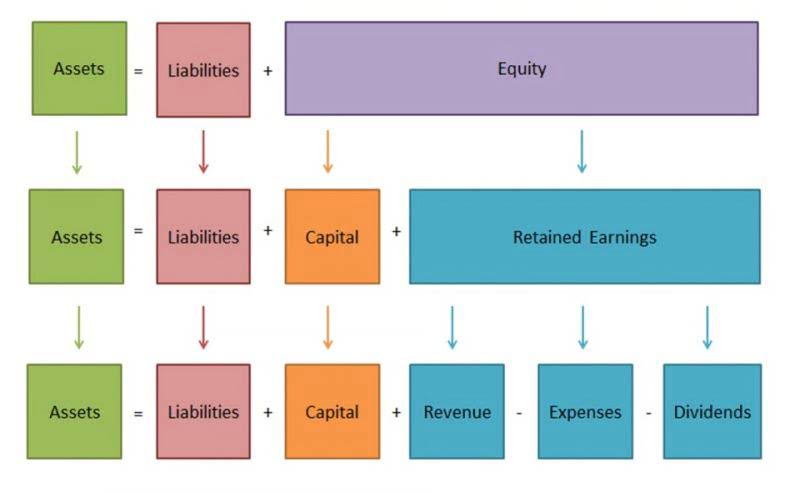
Adjusting Entries’ Impact on Financial Statements
This means revenues and expenses are recorded when they are earned or incurred, rather than when cash is exchanged. This approach provides a more precise and comprehensive view of your financial performance. Adjusting entries are changes made to previously recorded journal entries to make sure that the numbers match with the correct accounting periods. After preparing all necessary adjusting entries, they are either posted to the relevant ledger accounts or directly added to the unadjusted trial balance to convert it into an adjusted trial balance. Click on the next link below to understand how an adjusted trial balance is prepared. A word used by accountants to communicate that an expense has occurred and needs to be recognized on the income statement even though no payment was made.